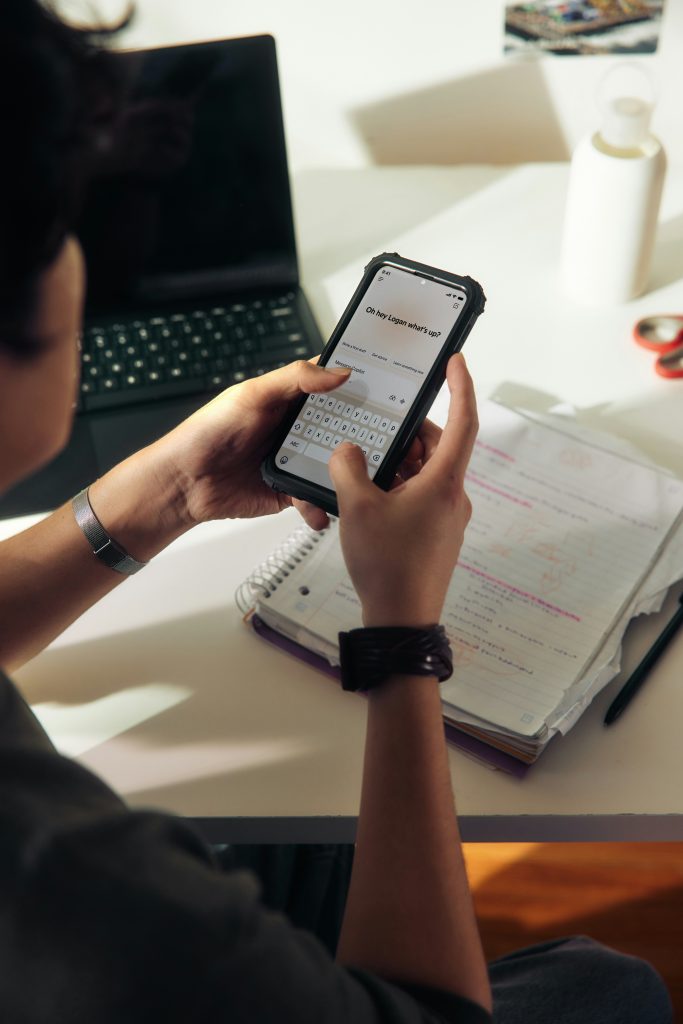


For years, search meant text. You typed words, Google returned links. Even as voice and image search grew, they operated in separate lanes. That separation is over.
Google’s March 2026 update has made multimodal search fully operational. Google can now index and understand video, images, and voice together not as separate content types, but as a unified signal about what your content means.
If your SEO strategy only accounts for text, you’re already behind.
What Is Multimodal Search?
Multimodal search means Google’s systems can now process and connect multiple content formats simultaneously.
A video with spoken audio, on-screen text, and visual scenes is no longer just a video it’s a rich, indexable document that Google can read across all three dimensions at once.
This is powered by Large Language Models trained to understand non-textual content the same technology that lets AI describe an image, transcribe speech, or summarise a video.
Google has now applied that capability directly to how it crawls, understands, and ranks content across the web.
The result: your images, videos, and voice content are now as searchable as your written words but only if you give Google the right signals to understand them.
What Actually Changed
Images are semantically indexed – Google no longer just reads your alt text. It analyses the actual content of the image objects, scenes, text within the image, and context and cross-references it with the surrounding page. An original product photo in a real setting tells Google far more than a generic stock image ever could.
Video is indexed in segments – Google breaks videos into chapters, understands what’s being said and shown in each segment, and can surface individual moments in search results. A 10-minute tutorial is now ten separate entry points into your content.
Voice queries match spoken audio – Google can now match a voice query against spoken words inside your videos, not just written text on your page. If your YouTube tutorial answers a question someone asks Google Assistant, that exact moment in your video can appear in results.
All three are connected – The biggest shift is that Google now reads the relationship between formats on the same page. A product page with a demo video, descriptive images, and written content is understood as a single, coherent asset not three separate elements.
Why This Matters More Than Previous Updates
Google’s previous updates rewarded text-heavy content. More words, more keywords, more internal links. The multimodal update changes that equation entirely.
A brand with a strong video presence, well-labelled visual assets, and audio content is now competing on a completely different level than one that only produces blog posts.
Conversely, brands that have been publishing video and visual content without optimising it are sitting on a goldmine they haven’t touched yet.
This also changes how Google understands intent. A user searching by uploading an image, speaking a query, or watching a video preview is expressing a different kind of intent than someone typing.
Google can now match all of those signals to your content but only if your content is structured to be understood across all three.
How to Optimise for Multimodal Search
1. Treat Every Image as Indexable Content
Stop using stock photos as decoration. Every image on your page should add context Google can read.
Use descriptive file names not “image1.jpg” but “espresso-machine-brewing-process.jpg.” Write alt text that describes what is actually happening, not just what the image contains. Add captions where relevant.
For product pages, use original photography showing your product in real use. Google’s image understanding now picks up on context, environment, and action a product being used in a real setting communicates far more than a white-background studio shot.
2. Optimise Your Video for Search, Not Just Views
Every video you publish should have a transcript not just for accessibility, but for indexability.
Upload transcripts to YouTube and embed them on your website. Add video chapters with descriptive titles. This gives Google clear segmentation points to index individually.
Pair every video with a written companion piece a summary, a how-to article, or a detailed description. This gives Google the text scaffolding it needs to fully understand your video in context.
3. Write for Voice, Not Just Keywords
Voice queries are conversational and question-based. “Best running shoes for flat feet” typed is very different from “Hey Google, what are the best running shoes if I have flat feet?” and Google now matches both against your content.
Structure your content around natural questions and clear, direct answers. FAQ sections are highly valuable here not as keyword stuffing, but as genuinely conversational content that mirrors how people actually speak. The more directly your content answers a specific question, the more likely it is to be the source Google reads aloud.
4. Add Structured Data for Every Format
Schema markup has never mattered more. Use VideoObject schema on every video include name, description, thumbnail URL, upload date, and duration. Use ImageObject schema on key visual assets. Use FAQPage schema on all question-based content.
Validate everything using Google’s Rich Results Test and Schema.org. If Google can’t read your structured data, it falls back to guessing and guessing is always less accurate than clear markup.
5. Build Content Packages, Not Isolated Formats
The biggest opportunity in multimodal search is content that deliberately combines image, video, and voice-friendly text on the same page.
A how-to guide with step-by-step images, an embedded tutorial video with chapters, a written transcript, and an FAQ section is a multimodal content asset and it will consistently outperform a standalone blog post or a standalone video.
Stop thinking in formats. Start thinking in packages.
The Platforms to Prioritise Right Now
YouTube – Still the second-largest search engine in the world and now deeply integrated with Google’s multimodal index. Chapters, transcripts, descriptions, and tags feed directly into Google search results. Every YouTube video is now a Google search asset.
Google Images – Now significantly smarter. Original, contextually rich images with proper alt text and page context will rank. Generic stock images will not.
Google Lens – Visual search via Lens is connected to the same multimodal index. If someone photographs a product or place that matches your content, your page can surface in results.
Google Discover – Multimodal signals now influence personalised Discover feeds. Strong visual content with clear topic authority is surfacing more frequently than text-only pages.
Final Word
Multimodal search isn’t a future trend to prepare for it’s live, it’s indexing your content right now, and it’s already rewarding brands that have invested in their visual and video assets as much as their written ones.
The brands that win in this environment stop thinking in formats and start thinking in content packages rich, interconnected assets that speak to Google across text, image, video, and voice simultaneously.
The gap between brands that adapt and brands that don’t is widening every week. The update is live. The opportunity is now.