

The Shift to Agent-Based AI in Cybersecurity
The cybersecurity landscape is evolving rapidly, with the increasing adoption of agent-based AI models. Fast growth in the machine learning industry is projected to reach $90.1 billion by 2026, with a significant portion dedicated to cybersecurity. Agent-based AI models can identify and respond to threats in real-time, reducing the risk of data breaches. Enhanced threat detection and autonomous responses are key benefits of agent-based AI in cybersecurity.
Agent-based AI models can handle large volumes of data and respond to multiple threats simultaneously. This scalability and flexibility in security operations make them an attractive solution for organisations. The use of agent-based AI in cybersecurity is becoming more widespread, with 46% of organisations adopting agent-based AI for security operations. By 2026, securing AI agents is expected to be the top cybersecurity challenge, identified as the most dangerous attack vector by 48% of professionals.
However, the rise of AI-driven security also introduces new vulnerabilities, as adversaries increasingly leverage AI to craft more sophisticated and adaptive attacks. Organisations must therefore invest not only in deploying AI agents but also in robust governance frameworks to ensure these systems operate transparently and within ethical boundaries.
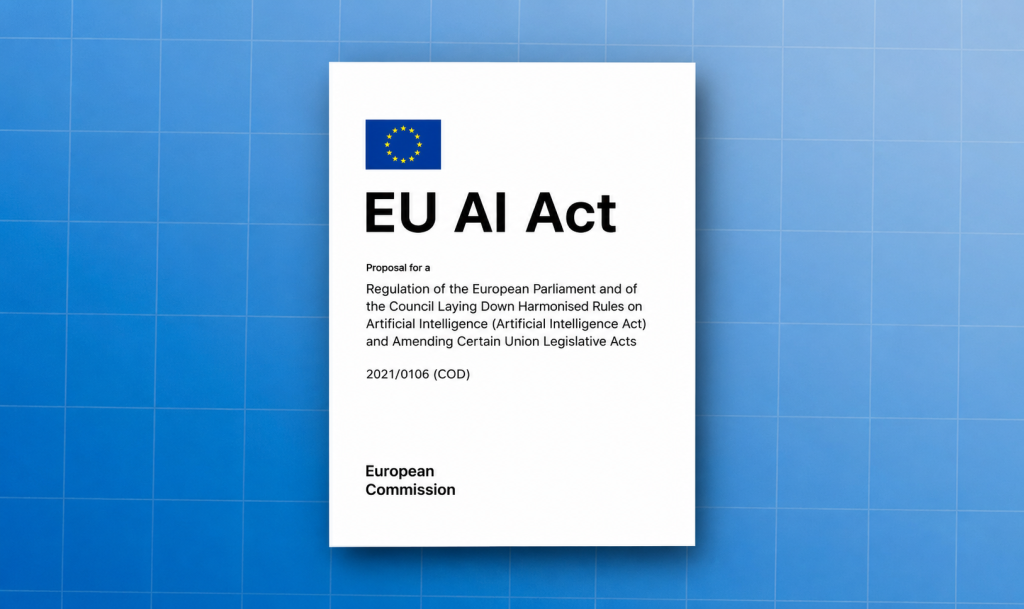
As regulatory bodies around the world begin to introduce AI-specific compliance requirements, aligning cybersecurity strategies with emerging legislation will be critical to maintaining trust and operational resilience.
The Growing Importance of Agent-Based AI in Cybersecurity
The growing importance of agent-based AI in cybersecurity is driven by the increasing need for enhanced threat detection and autonomous responses. AI agents can process vast amounts of data and respond to threats in real-time. The use of agent-based AI in cybersecurity is no longer a luxury, but a necessity. Organisations that adopt agent-based AI models can improve their security posture and reduce the risk of data breaches.
Some key benefits of agent-based AI in cybersecurity include:
- Enhanced threat detection and response – Agent-based AI continuously monitors network activity, enabling organisations to detect and neutralise threats faster than traditional security methods.
- Autonomous responses to security threats – By automating threat responses, AI agents can immediately isolate compromised systems and mitigate attacks without waiting for human intervention.
- Scalability and flexibility in security operations – Agent-based AI can seamlessly scale across growing infrastructures, adapting to evolving security demands without compromising performance.
- Improved incident response and remediation – When a breach occurs, AI agents can rapidly analyse the root cause, contain the damage, and initiate remediation processes to restore normal operations.
The importance of agent-based AI in cybersecurity cannot be overstated. Organisations that adopt agent-based AI models can reduce the risk of data breaches and improve their security posture. The use of agent-based AI in cybersecurity is becoming more widespread, with 39.4% of the machine learning industry’s growth attributed to the adoption of agent-based AI models. As the use of agent-based AI in cybersecurity increases, so does the need for skilled professionals to develop and implement these models.
Mitigating the Risks of Agent-Based AI in Cybersecurity
To ensure the effective adoption of agent-based AI in cybersecurity, organisations must take a proactive approach to mitigate potential risks. Implementing robust security measures is crucial to prevent attacks on AI agents. Developing high-quality data is also essential to ensure that AI agents can function effectively.
Some key strategies for mitigating the risks of agent-based AI in cybersecurity include:
- Implementing robust security measures: Organisations must ensure that their AI agents are properly secured and protected from attacks. This includes implementing regular security updates and patches to prevent vulnerabilities.
- Developing high-quality data: Organisations must ensure that their AI agents have access to accurate, complete, and relevant data. This includes properly labeling and formatting data to ensure that AI agents can understand and process it.
- Providing transparency and explainability: Organisations must ensure that their AI agents are transparent and explainable, making it easier to identify and address issues.
Implementing robust security measures is crucial to prevent attacks on AI agents. Organisations must ensure that their AI agents are properly secured and protected from attacks. This includes implementing regular security updates and patches to prevent vulnerabilities. By implementing robust security measures, organisations can reduce the risk of attacks on AI agents and improve their security posture.
Developing high-quality data is also essential to ensure that AI agents can function effectively. Organisations must ensure that their AI agents have access to accurate, complete, and relevant data. This includes properly labeling and formatting data to ensure that AI agents can understand and process it. By developing high-quality data, organisations can improve the accuracy and effectiveness of their AI agents.
The consequences of a security breach can be severe, with $3.92 million being the average cost of a data breach. By mitigating the risks of agent-based AI in cybersecurity, organisations can ensure the effective adoption of agent-based AI models and improve their security posture.
Implementing Robust Security Measures
Organisations must implement robust security measures to prevent attacks on AI agents. This includes ensuring that AI agents are properly secured and protected from attacks. Organisations must also ensure that their AI agents are regularly updated and patched to prevent vulnerabilities.
Implementing robust security measures is crucial to prevent attacks on AI agents. Organisations must ensure that their AI agents are properly secured and protected from attacks. This includes implementing regular security updates and patches to prevent vulnerabilities. By implementing robust security measures, organisations can reduce the risk of attacks on AI agents and improve their security posture.
Organisations must also ensure that their AI agents are regularly monitored and audited to detect potential security threats. This includes implementing regular security audits and penetration testing to identify vulnerabilities. By regularly monitoring and auditing their AI agents, organisations can improve their security posture and reduce the risk of attacks.
Developing High-Quality Data
strategic priority for any organisation deploying AI-driven security solutions. Without accurate, well-structured, and contextually relevant data, even the most advanced AI agents will produce unreliable outputs and fail to detect emerging threats with precision.
Organisations should establish rigorous data governance frameworks that define clear standards for data collection, validation, and maintenance. This ensures that the information feeding into AI agents remains current, consistent, and free from bias that could compromise decision-making.
Beyond governance, seamless data integration across systems and platforms is essential to give AI agents a comprehensive view of the security landscape. When data pipelines are well-aligned and properly formatted, AI agents can process information more efficiently, respond to threats with greater accuracy, and continuously improve through exposure to richer, more diverse datasets.
The Future of Cybersecurity with Agent-Based AI
The future of cybersecurity with agent-based AI is promising, with many benefits and opportunities for organisations. Organisations that adopt agent-based AI models can improve their security posture and reduce the risk of data breaches. The use of agent-based AI in cybersecurity is expected to become more widespread, with 90% of organisations adopting agent-based AI models by 2028.
Some key trends in the future of cybersecurity with agent-based AI include:
- Increased use of autonomous responses to security threats
- Improved incident response and remediation
- Enhanced threat detection and response
- Greater emphasis on transparency and explainability in AI agents
The future of cybersecurity with agent-based AI is not without its challenges, however. Organisations must be prepared to address the potential risks and challenges associated with agent-based AI models. By understanding these risks and developing strategies to mitigate them, organisations can ensure the effective adoption of agent-based AI models and improve their security posture.
Securing AI Agents: The Top Cybersecurity Challenge
Securing AI agents is expected to be the top cybersecurity challenge by 2026, identified as the most dangerous attack vector by 48% of professionals. As the threat landscape grows more complex, organisations must take a proactive and multi-faceted approach that combines robust security measures, high-quality data governance, and continuous monitoring to stay ahead of adversaries.
Transparency and explainability must also be embedded into AI agent frameworks, ensuring that automated decisions can be understood, audited, and trusted by both security teams and stakeholders. Equally important is the human factor skilled professionals remain essential in designing, overseeing, and refining AI-driven security systems to ensure they perform as intended.
Ultimately, the most resilient cybersecurity strategies will be those that seamlessly integrate technology, people, and process. Organisations that invest in this balanced approach today will be best positioned to harness the full potential of agent-based AI while safeguarding their operations against the evolving threats of tomorrow.
For more information on how Kilowott can help your organisation with agent-based AI in cybersecurity, visit our website.